EN
EN

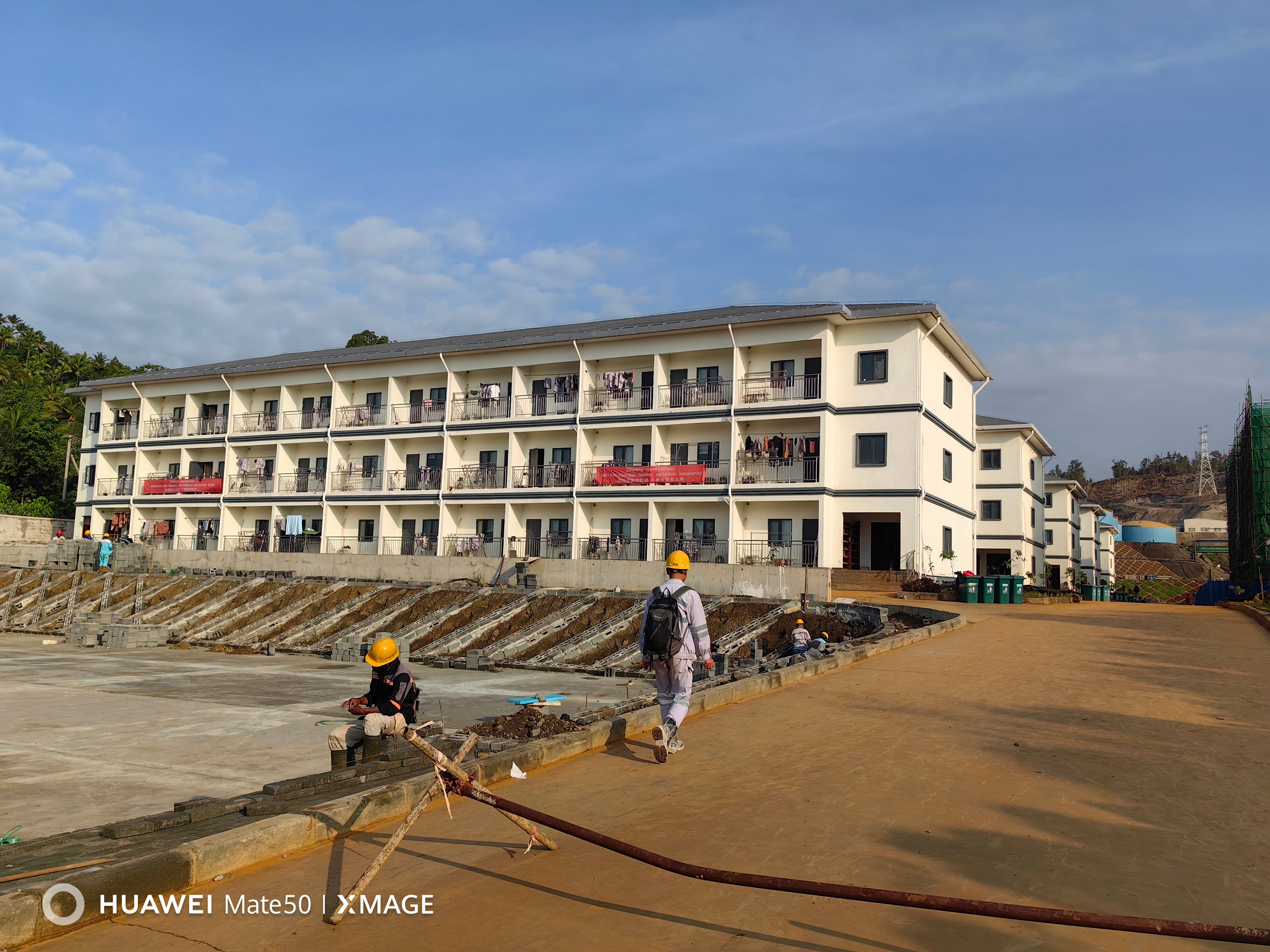
Подслонът за работна сила, особено за международните мегапроекти, става все по-важен, тъй като съответствието с изискванията за ЕСУ (околна среда, социални аспекти и управление) става задължително както за международните финансови институции, така и за правителствата на страните домакини. Лагерите, които не отговарят на критериите за устойчивост, са изложени на рискове от забавяне на проектите, финансово несигурност и щети за репутацията. В тази статия се разглежда как екологично чистите предварително изработени лагерни решения могат да отговарят на строгите международни стандарти, както и да предоставят икономически ефективни, здравословни и бързо разгъваеми жилищни опции за големи работни колективи.
Изпълнение на международните ESG и IFC критерии за устойчивост
Преходът към подход, съответстващ на изискванията на ESG, за инфраструктурни и рудодобивни работни лагери от просто „добра практика“ към задължителен стандарт за подаващото мнозинство от световните водещи институции за проектно финансиране вече е настъпил. Повечето рудодобивни и инфраструктурни проекти използват Стандартите за производителност на IFC (Международна финансова корпорация) като шаблон за одобрение на проекта и готовност за одит – осем екологични и социални критерия, установени от Асоциацията на принципите на Екватора.
Социалната част на ЕСУ се отнася специфично до работния живот на хората – Стандартът за изпълнение № 2 на МФК гарантира техните права, здраве, безопасност и начин на третиране. Съответстващият лагер не трябва да се възприема като център за разходи, а по-скоро като форма на социално управление на рисковете, която осигурява на проекта социално разрешение за действие. По отношение на околната среда изискванията, като минимизиране на строителните отпадъци, ефективно използване на енергия и устойчивост на материали, трябва да бъдат стандартни. Модулната строителна технология генерира много малко отпадъци на място в сравнение с конвенционалното строителство.
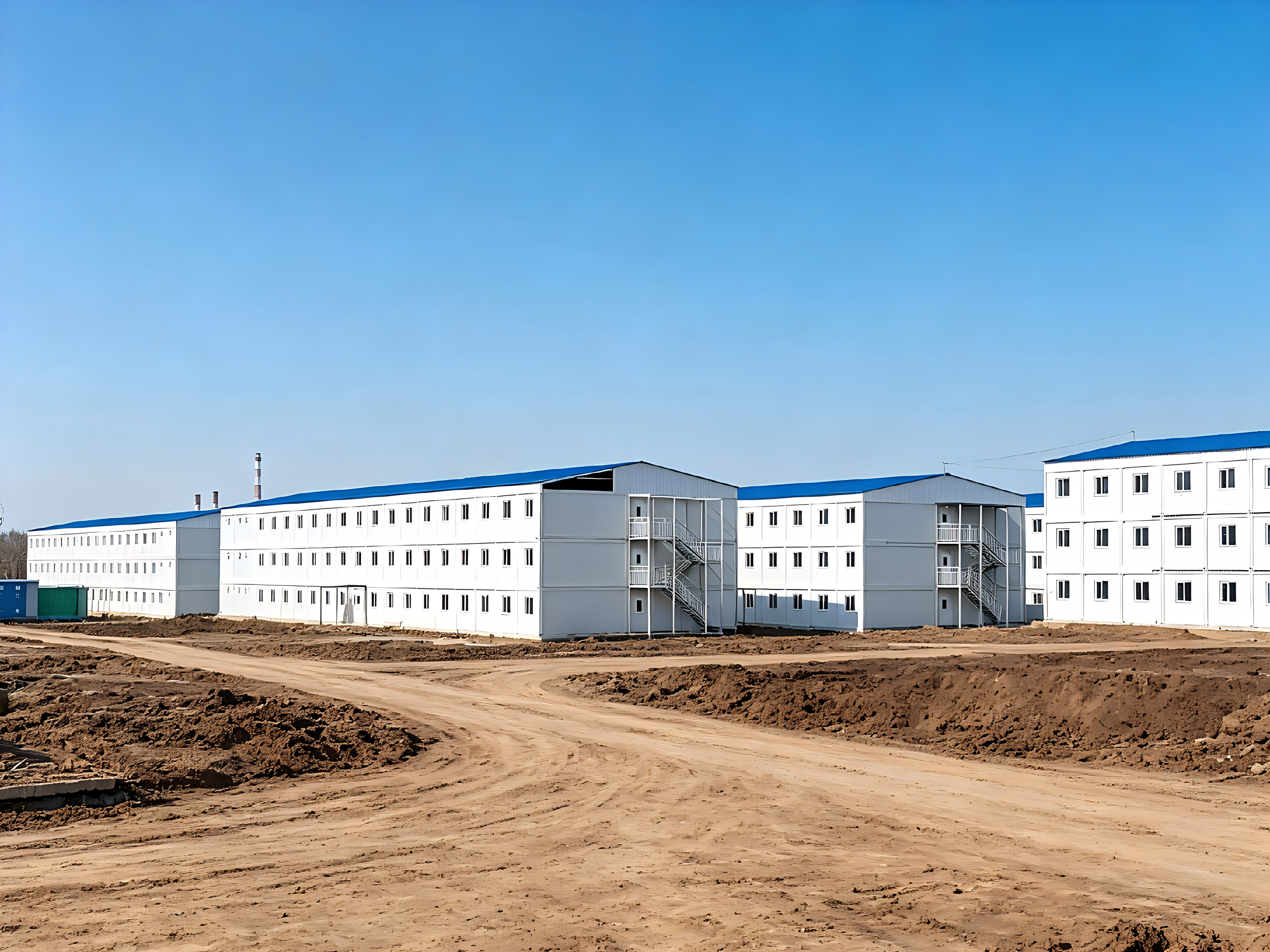
CDPH (HAINAN) напълно подкрепя това насочване към международните ESG рамки. Над 90 % от нашето модулно жилищно строителство се произвежда предварително в завода и се монтира на място – това намалява емисиите на въглерод както по време на производството, така и по време на строителството. Като доказателство за това нашият продукт модулни контейнерни къщи е получил професионална сертификация за верификация на въглеродния отпечатък, като ясно демонстрира ниския си въглероден отпечатък и екологичните си предимства през целия жизнен цикъл на продукта. Оценява се, че всяка от нашите модулни сгради, използвани повторно, спестява приблизително 4,38 тона въглеродни емисии (еквивалентно на засаждането на 19 големи дървета); очакваният срок на експлоатация на нашите продукти е до и над 15 години, а CDPH е реализирала повече от 4000 проекта в над 100 страни, което потвърждава нейния проверен опит в изпълнението на изискванията на IFC относно ESG и устойчивост, които са основа за международното финансиране на проекти и готовност за одит.
Материали за интериор с ниско съдържание на ЛОС за здравословно качество на въздуха в помещенията
Качеството на въздуха в помещенията представлява една от основните здравни загрижености в жилищата за работници. Обикновено повечето жители прекарват значителна част от времето си в закрити пространства, а строителните материали са един от най-масовите източници на летливи органични съединения (ЛОС) в жилищни сгради. Проучвания показват, че напълно 78 процента от обичайните материали проявяват по-високо химично изпускане при по-високи температури на околната среда, а напълно половината от всички материали, класифицирани като „с ниско съдържание на ЛОС“, надхвърлят тези прагове, което разкрива, че такава маркировка почти не дава насоки на производителите или проектиращите специалисти. Формалдехидът и други ЛОС предизвикват незабавни здравни ефекти като раздразнение на очите, а в дългосрочен план допринасят за развитие на астма. Материали с трета страна сертифицирани, като Eurofins Gold сертифицирани за вътрешното качество на въздуха задава новия стандарт. Екологично чистите работни лагери и помещения за настаняване обикновено използват боя с ниско съдържание на летливи органични съединения (VOC), изолационни материали без формалдехид и устойчиви вътрешни завършващи материали, за да се създаде атмосфера, благоприятна за добро вътрешно качество на въздуха.
CDPH (HAINAN) използва вътрешни материали с ниско съдържание на VOC във всички конфигурации на нашите работни лагери. При проектирането на нашите продукти пълно се взема предвид качеството на вътрешния въздух чрез избор на вътрешни завършващи материали с много ниско съдържание на VOC. Този подход гарантира, че работниците живеят във вътрешна среда, която подпомага доброто здраве както в краткосрочен, така и в дългосрочен план, особено важно за проекти и обекти, които ще бъдат заети в продължение на няколко години.
Интеграция на слънчеви топлинни инсталации и системи за събиране на дъждовна вода
Когато работният лагер е разположен на отдалечено място и използва дизелови генератори за електрозахранване, затоплянето на водата често представлява най-голямата част от енергийното потребление на работния лагер. Соларни системи за подгряване на вода предоставя екологично чист начин за задоволяване на тази нужда; черни плоски слънчеви колектори с електрическа циркулационна помпа използват слънчевата енергия за загряване на вода и осигуряват ефективен, неизискващ гориво източник на топлина, намалявайки зависимостта от дизелово гориво и следователно намалявайки свързаните с него емисии на въглерод в атмосферата с до приблизително 58 %. Използването на събиране на дъждовна вода също може значително да намали общата нужда от водоснабдяване на един проект. Дъждовната вода може да се филтрира и събира в резервоари за непитейни цели, като например душове и тоалетни, намалявайки зависимостта от вода, доставена от общинската мрежа или чрез водни цистерни. В някои проекти резервоари за дъждовна вода с вместимост хиляди литри могат да бъдат интегрирани в конструкцията на сградите и използвани на място за задоволяване на водната нужда, което допълнително намалява общия екологичен отпечатък на проекта. Загряването на вода по този начин често квалифицира за ESG кредити съответно под Обхват 1 и Обхват 2.
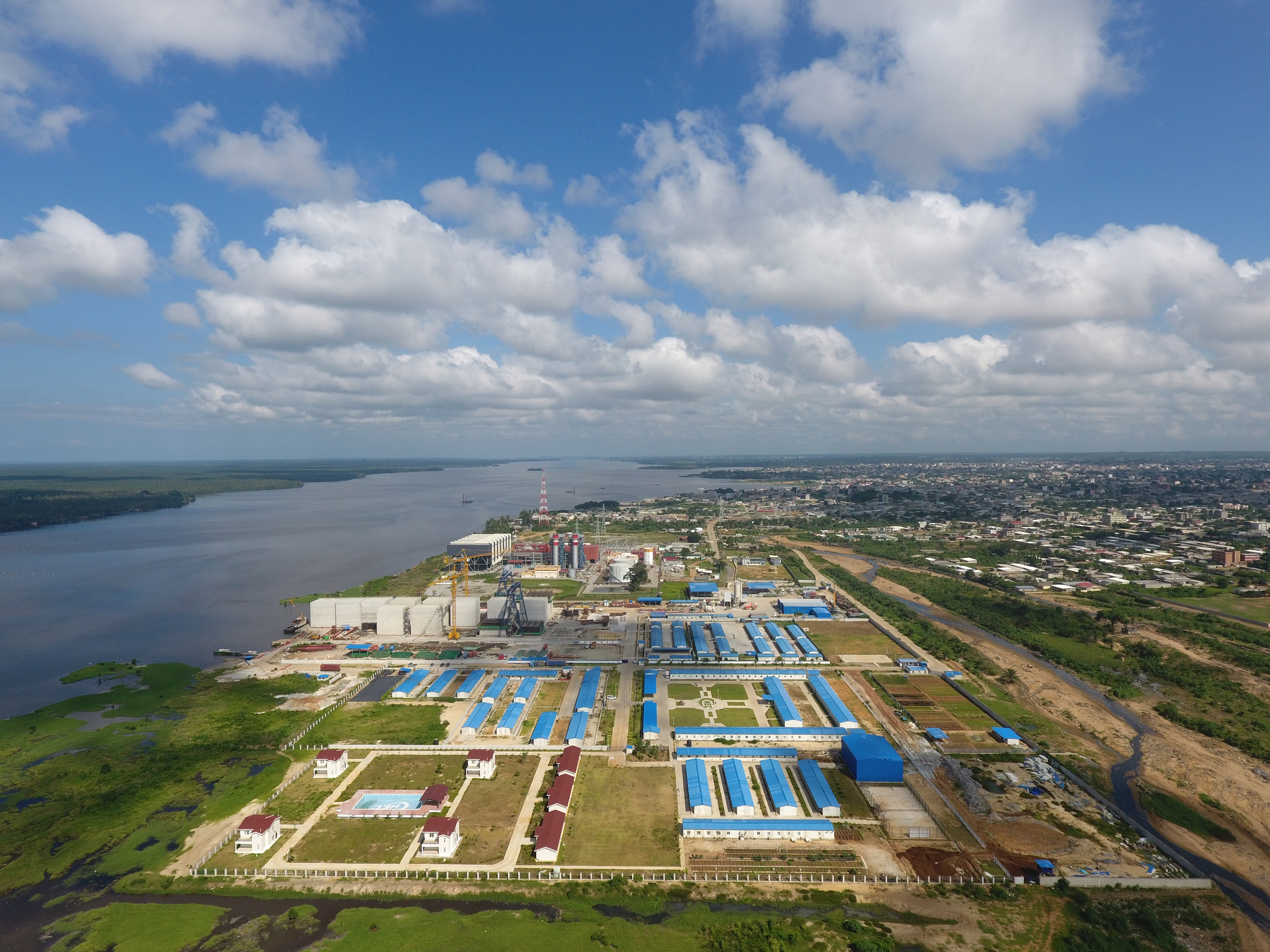
CDPH (HAINAN) предлага лагери с готови за слънчеви панели покриви, които позволяват бързо монтиране на слънчеви топлинни инсталации и фотоволтаични панели. Нашите модулни сгради могат да включват съоръжения за събиране и съхранение на вода, което допринася за автономно решение, намаляващо експлоатационните разходи и въздействието на обекта върху местната среда. Тези иновативни системи за събиране на вода помагат да се постигнат сертификати BREEAM и LEED, както и всички стандарти за ESG и устойчивост, определени от клиенти или финансиращи страни.
Сглобяване на площадката без отпадъци и рециклируеми стоманени конструкции
Създаването на продукти чрез извънплощадково производство е ключов аспект при разработката за „кръгова икономика“, като по този начин помага строителството да се отдалечи от модела „вземи-направи-изхвърли“, който поражда значителни отпадъци, които в крайна сметка попадат на депозити за отпадъци и губят не само материали, но и вградената енергия, необходима за тяхното производство. Предварителното производство позволява почти нулеви отпадъци при монтажа на площадката в сравнение с конвенционалните строителни методи, тъй като строителството се извършва точно извън площадката с помощта на съвременни машини с висока точност. Основният материал в предварително произвежданите работни лагери на CDPH е стомана – напълно рециклируем продукт без загуба на качество или здравина. Когато един лагер е проектиран с оглед бъдещето – за преместване, стоманата от завършените проекти може да се използва повторно десетилетия наред, което може да помогне на проекта да постигне спестявания от около 1,9 метрични тона на продукт както по отношение на материали, така и на еквивалентно количество избегнати парникови газове през целия жизнен цикъл на завършена модулна сграда чрез спестяване на стомана за повторна употреба. Като пазарът все повече се насочва към кръговост, стойността от 1,9 тона трябва да се взема под внимание за всеки завършен модул. Три интелигентни фабрики и глобална верига за доставки означават, че CDPH може да осигури истински нулеви отпадъци при монтажа на площадката, бързо внедряване на проекти, както и конструкции, които могат да бъдат демонтирани и преместени в края на проекта, максимизирайки повторната употреба и възвръщаемостта на ценния и времеемък първоначален строителен инвестиционен ресурс. За международни мегапроекти CDPH е най-добрата възможност за бързи и устойчиви решения и работно подслоняване.
Съдържание
- Изпълнение на международните ESG и IFC критерии за устойчивост
- Материали за интериор с ниско съдържание на ЛОС за здравословно качество на въздуха в помещенията
- Интеграция на слънчеви топлинни инсталации и системи за събиране на дъждовна вода
- Сглобяване на площадката без отпадъци и рециклируеми стоманени конструкции