EN
EN

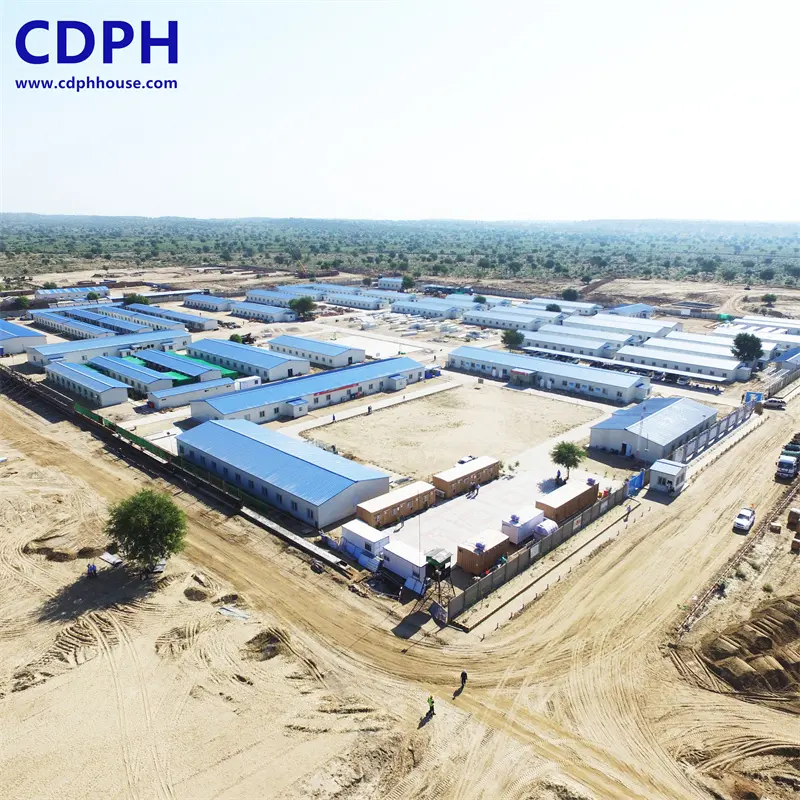
Основни елементи за съответствие с нормативните изисквания за Лагери за настаняване на работници
Съответствието с нормативните изисквания е една от най-важните основи при планирането на лагери за настаняване на работници. Лагерите, проектирани за временни работници, трябва да осигуряват баланс между безопасност, живопригодност и оперативна ефективност, като едновременно изпълняват изискванията на компетентните органи. Когато съответствието с нормативните изисквания се вгради още в началния етап на процеса на проектиране, резултатът обикновено е по-безопасно и по-надеждно съоръжение.
Стандартите на OSHA, Министерството на труда (DOL) и съответните международни рамки помагат да се определят основните изисквания за лагерите за настаняване на работници. Тези изисквания често влияят върху пожарната защита, аварийния достъп, структурната устойчивост, достъпа до вода, санитарията и управлението на отпадъците. На практика те осигуряват базовите критерии за лагер, който е както безопасен, така и подходящ за дългосрочна употреба.
Стандартите на OSHA и DOL помагат да се установи основната рамка за безопасни лагери за настаняване на работници. В зависимост от проекта това може да включва огнеустойчиви материали, ясно обозначени аварийни маршрути и структурни решения, подходящи за местните климатични условия. Климатично ориентираните характеристики, като сянка, топлоизолация и вентилация, също са важни за практическата употреба на лагера в ежедневието.
Международните трудови стандарти също играят роля при проектирането на лагерите. Изискванията, свързани с питейната вода, санитарията и отстраняването на отпадъците, подпомагат по-здравословна и по-функционална среда за живеене на работниците. Когато тези системи се планират добре още от самото начало, лагерът е по-лесен за експлоатация и по-удобен за живеене.
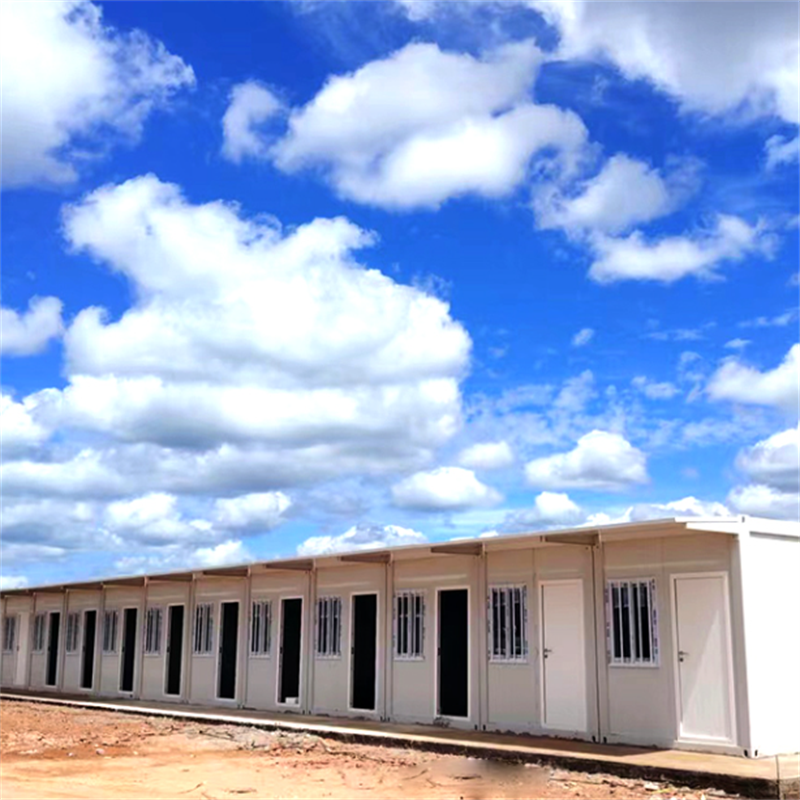
Задължителни норми за площ, санитарни удобства и съоръжения
Планирането на площта, санитарните удобства и съоръженията е от централно значение за обитаемостта на лагерите за трудова акомодация. Спалните помещения трябва да осигуряват достатъчно пространство за комфорт и възстановяване, докато тоалетните, душовете и умивалниците трябва да бъдат проектирани с оглед на броя на настанените в тях лица. Добра вентилация, практични кухненски разположения и надеждно отстраняване на отпадъците също допринасят за поддържане на по-здравословна среда за живеене.
Надлежащото разпределение на пространството може да има значителен ефект върху здравето и комфорта на работниците. Пренаселените спални помещения и недостатъчните санитарни съоръжения могат да създават ненужен стрес и да увеличават риска от хигиенни проблеми. Планирането на достатъчно пространство и поддържащи съоръжения допринася за създаването на по-стабилен и функционален лагер.
| Устройство | Съображения при планирането | Цел |
|---|---|---|
| Тоалети | Размерът им съответства на броя на обитателите | Подпомага хигиената и удобството |
| Душове | Разположени за практически достъп | Подпомага удобството и санитарията |
| Мивки за миене на ръце | Разположени в зони с интензивно използване | Помага за поддържане на чистотата |
Готови решения за работнически лагери: скорост, мащабируемост и стандартизация
Решенията за предварително изработени лагери за работна ръка са популярни, защото предлагат бързина, мащабируемост и висока степен на стандартизация. Модулните, контейнерните и плоските системи всеки от тях осигуряват различни предимства в зависимост от графика на проекта, условията на площадката и изискванията за дългосрочна употреба.
Всяка предварително изработена система има собствени предимства. Модулните единици могат да пристигнат като предимно завършени секции, контейнерните единици често са лесни за транспортиране и повторно разполагане, а плоските системи могат да осигурят по-голяма гъвкавост в подреждането и ефективност при транспортиране. Най-добрата опция зависи от това колко бързо трябва да бъде инсталиран лагерът и колко персонализация изисква проектът.
Сертифицирането и гарантирането на качеството са важни елементи при планирането на предварително изработени лагери за работници. Проверката от трета страна, контролът на качеството в завода и съответствието с нормативните изисквания могат да помогнат за осигуряване на очакваната производителност на завършения лагер след пристигането му на строителната площадка. Сътрудничеството с доставчици, които разбират съответните стандарти, също може да намали риска от проблеми по време на инсталацията по-късно.
Комфортът на работниците и живопригодността в съвременните лагери за трудова подслон
Съвременните лагери за трудова подслон все повече се проектират с оглед на комфорт и живопригодност. Добре планиран лагер трябва да прави повече от това да осигурява място за спане. Той също така трябва да подпомага почивката, възстановяването, ежедневните рутини и общото благополучие на хората, които живеят там.
Дизайнът, устойчив към климатични промени, е особено важен за лагерите, разположени в екстремни среди. В зависимост от региона това може да включва силна топлоизолация, ефективни системи за отопление, вентилация и климатизация (HVAC), ефикасна вентилация и материали, които подобряват работата на лагера при високи температури, ниски температури, влажност или вятър.
Човекоцентричните планировки могат да подобрят ежедневния опит на работниците в трудовите лагери. Споделените столови, достъпната медицинска помощ и рекреационните зони могат да помогнат за намаляване на усещането за изолация и да направят лагера по-функционален и по-живопригоден. Продуманото разположение на прането, санитарните и поддръжните съоръжения също може да направи лагера по-лесен за използване.
Затваряне на разрива: интегриране на съответствието, ефективността на префабрицираните решения и живопригодността
Най-ефективните лагери за подслон на работници обединяват съответствие с нормативните изисквания, ефективността на префабрицираните решения и живопригодността. Когато тези три елемента се планират заедно, лагерът е по-вероятен да осигури безопасни операции, по-бързо разгъване и по-добро преживяване за работниците. В този смисъл жилищното подслоняване на работниците става не просто временна необходимост, а практически компонент на общото проектиране на проекта.
Често задавани въпроси
Какви са основните нормативни стандарти за лагерите за подслон на работници?
Основните стандарти обикновено включват OSHA, DOL и други приложими международни или местни рамки. Тези изисквания помагат да се определят очакванията относно безопасността, санитарията и пригодността за обитаване.
Как се внедряват предварително изработените решения за работнически лагери?
Предварително изработените решения за работнически лагери обикновено се доставят като модулни, контейнерни или плоски (flat-pack) системи. Подходящият формат зависи от графика на проекта, достъпа до строителната площадка и нивото на необходимата персонализация.
Какви сертификати гарантират съответствието на предварително изработените работнически лагери?
Сертифицирането от трета страна, заводският контрол на качеството и прегледът според строителните норми са всички полезни показатели за съответствие. Тези стъпки помагат да се потвърди, че системата е подходяща за предвидената площадка и цел на използване.
Как работническите лагери подобряват удобството за работниците в екстремни климатични условия?
Работническите лагери могат да бъдат адаптирани с климатично специфични функции, като топлоизолация, вентилация, сенчестост и климатични инсталации (HVAC). Тези функции допринасят за по-голямо удобство и по-добро използване на лагера в трудни условия.
Защо са важни общинските пространства в работническото настаняване?
Общинските пространства подпомагат социалното взаимодействие, намаляват усещането за изолация и подобряват общото качество на живот. Те също могат да направят лагера по-функционален и по-добре организиран.
Съдържание
- Задължителни норми за площ, санитарни удобства и съоръжения
- Готови решения за работнически лагери: скорост, мащабируемост и стандартизация
- Комфортът на работниците и живопригодността в съвременните лагери за трудова подслон
- Затваряне на разрива: интегриране на съответствието, ефективността на префабрицираните решения и живопригодността
-
Често задавани въпроси
- Какви са основните нормативни стандарти за лагерите за подслон на работници?
- Как се внедряват предварително изработените решения за работнически лагери?
- Какви сертификати гарантират съответствието на предварително изработените работнически лагери?
- Как работническите лагери подобряват удобството за работниците в екстремни климатични условия?
- Защо са важни общинските пространства в работническото настаняване?